Joe Kent Resignation 2026: Iran War Controversy Explained
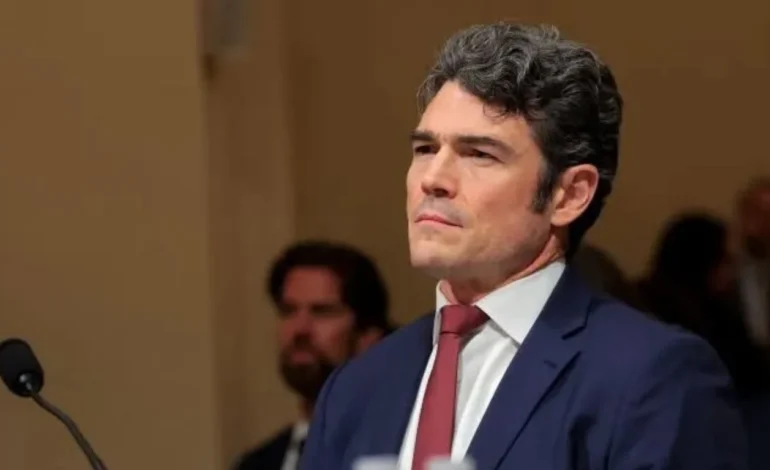

In a dramatic move that has sparked intense political debate, Joe Kent resigned from his position as Director of the National Counterterrorism Center (NCTC). His decision came amid rising tensions over the ongoing Iran war, making the Joe Kent resignation one of the most talked-about political developments of 2026.
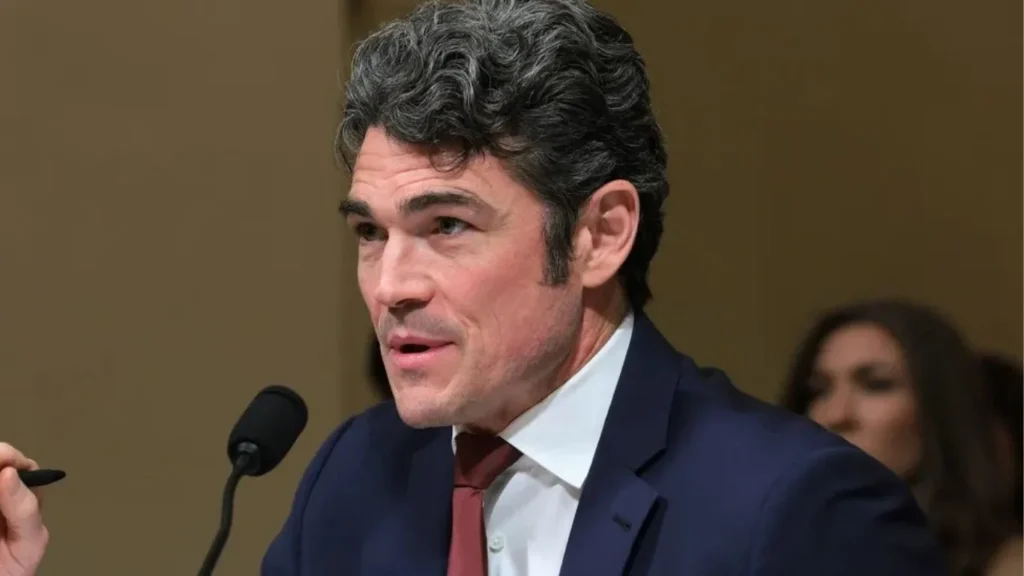
Kent’s resignation statement quickly went viral, not just because he stepped down, but because of the strong claims he made about U.S. involvement in the conflict. From questioning the justification of the war to pointing toward external pressure, his words have raised serious concerns.
Table of Contents
Joe Kent’s Twitter Statement
The Joe Kent resignation became even more impactful because of his public statement on Twitter. Instead of a quiet exit, he chose to directly address the public.
What Led to Joe Kent Resignation?
The Joe Kent resignation did not happen suddenly without reason. It was the result of growing disagreement between Kent and the U.S. administration over the Iran conflict.
In his statement, Kent clearly said that he could not support the ongoing war. According to him, Iran did not pose an immediate threat to the United States, which made the military action difficult for him to justify on ethical and professional grounds.
This bold stance set him apart from many officials and made his resignation even more significant.
Iran War Controversy Explained
The central issue behind the Joe Kent resignation is the controversial Iran war. The U.S. government has maintained that its actions are necessary for national security. However, Kent openly challenged this narrative.
He suggested that the war was not based on an urgent threat but rather influenced by political pressure. This has fueled a wider debate about how and why such major decisions are made.
The Iran conflict has already been a sensitive global issue, and Kent’s comments have added another layer of complexity.
Allegations of External Influence
One of the most controversial parts of Kent’s statement was his claim that external pressure played a role in starting the war.
He hinted at the influence of Israel and powerful lobbying groups in shaping U.S. foreign policy decisions. While these claims are highly debated and not officially confirmed, they have sparked widespread discussion.
Supporters believe Kent showed courage by speaking out, while critics argue that such claims could create unnecessary tension and confusion.
Reaction from the Government
The response to the Joe Kent resignation was swift and strong.
Government officials defended their position on the Iran war and rejected the claims made by Kent. Many emphasized that decisions were based on intelligence and national interest.
At the same time, the White House distanced itself from his remarks, making it clear that his views did not represent official policy.
Internal Disagreements in Leadership
Another key takeaway from the Joe Kent resignation is the presence of internal disagreements within leadership.
Kent’s departure highlights how even top officials may have different views on critical national security issues. It also raises questions about whether all perspectives are being considered before making major decisions.
Such differences are not uncommon, but they rarely become public at this level.
Why This Matters Globally
This is not just a U.S. issue—the Joe Kent resignation has global implications.
- It affects trust in intelligence systems
- It raises concerns about transparency
- It impacts international relations
Countries around the world closely watch U.S. decisions, especially when it comes to conflicts like the Iran war.
What Happens Next?
The future after the Joe Kent resignation remains uncertain, but several possibilities exist:
- Increased political debate and scrutiny
- Possible investigations or hearings
- Greater transparency in decision-making
This situation may also influence how future conflicts are handled by policymakers.
Conclusion
The Joe Kent resignation is more than just a leadership change—it is a reflection of deeper issues within global politics and decision-making systems.
His stance on the Iran war has sparked a conversation that goes beyond one individual, touching on ethics, influence, and the true cost of conflict.
Whether his claims are fully accepted or challenged, this event will likely have a lasting impact on how such decisions are viewed in the future.
Why did Joe Kent resign?
He resigned due to disagreement with the Iran war, stating it was not justified.
What is the Iran war controversy?
It refers to debates over whether the U.S. military action against Iran is necessary or justified.
Did Joe Kent accuse external influence?
Yes, he suggested that external political pressure may have influenced the decision.
What was the government’s response?
Officials rejected his claims and defended their actions.
Why is this resignation important?
It raises questions about transparency, leadership, and foreign policy decisions.