


The year 2026 has brought a serious warning for Australia’s energy security. While Australians are familiar with natural disasters like bushfires and floods, a new concern has started dominating national conversations — the risk of a fuel shortage.
Across the country, drivers have noticed rising petrol prices and occasional shortages at service stations. In some areas, petrol pumps are even marked “Out of Service.” These signs reflect a deeper issue affecting the Australian Fuel Supply, which experts say is facing one of its biggest challenges in decades.
Several factors have contributed to the current situation, including global tensions, supply chain disruptions, and Australia’s heavy dependence on imported fuel. Understanding these problems is essential because fuel plays a critical role in transportation, agriculture, mining, and everyday life.

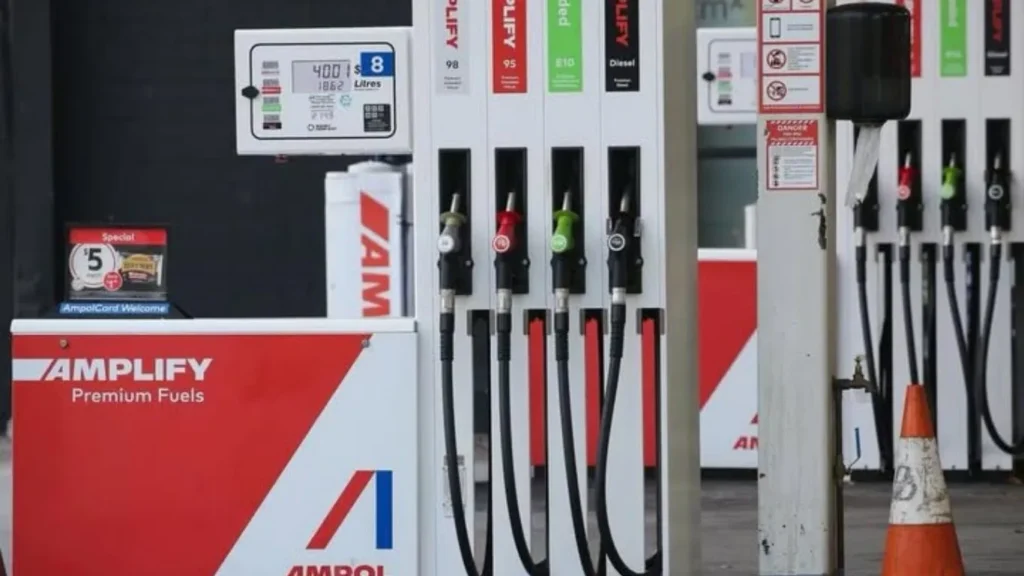
Here are seven shocking facts about the Australian Fuel Supply crisis in 2026 and why it has become a major concern for the country.
Table of Contents
1. Australia’s Emergency Fuel Reserves Are Limited
One of the most surprising facts about the Australian Fuel Supply is the relatively small size of the country’s emergency fuel reserves.
The International Energy Agency recommends that member countries maintain fuel reserves equivalent to 90 days of supply in case of emergencies. However, Australia has historically struggled to meet this target.
Reports in early 2026 suggested that Australia’s onshore fuel reserves were closer to 32–36 days of supply. For certain fuels, like aviation fuel, the available reserves may be even lower.
If international shipments were suddenly disrupted, Australia could face serious shortages within just a few weeks. This limited buffer has raised concerns among policymakers and energy analysts.
2. Australia Imports the Majority of Its Fuel
Although Australia is known as a major exporter of energy resources like coal and natural gas, it relies heavily on imported refined fuel.
Today, more than 90% of Australia’s petrol and diesel comes from overseas refineries. Much of this fuel is processed in countries such as:
- Singapore
- South Korea
- Japan
These refineries often depend on crude oil transported through the Strait of Hormuz, one of the world’s most important oil shipping routes.
When tensions or conflicts disrupt this region, the impact can be felt thousands of kilometers away in Australia.
3. Regional Communities Are Being Hit Hardest
The current Australian Fuel Supply challenges have not affected all areas equally. While major cities are mainly experiencing higher fuel prices, many regional communities are facing actual fuel shortages.
Several rural towns have reported service stations running out of fuel entirely. This situation has been worsened by panic buying, where motorists fill extra containers or stockpile petrol.
For farmers and agricultural businesses, the shortage is particularly serious. Diesel is essential for tractors, harvesters, and transportation equipment. Without reliable access to fuel, farming operations could slow down or stop altogether.
4. Emergency Fuel Reserves Are Being Released
To stabilize the market, the Australian government has taken emergency action. The government recently announced the release of additional fuel supplies from national reserves.
The decision was confirmed by Chris Bowen, Australia’s Minister for Climate Change and Energy.
Hundreds of millions of litres of petrol and diesel have been made available to fuel companies to help reduce pressure on the market.
While this move provides short-term relief, experts warn that it does not address the long-term issues affecting the Australian Fuel Supply system.
5. Fuel Quality Rules Have Been Temporarily Relaxed
Another unusual step taken during the crisis was the temporary relaxation of fuel quality standards.
Normally, Australia maintains strict environmental standards for petrol and diesel. However, in order to increase available fuel supplies, authorities allowed certain fuels with higher sulfur levels to enter the market for a limited time.
This measure was introduced as a temporary emergency solution to increase the total fuel supply.
Although it helps ensure vehicles continue running, it also highlights the severity of the current fuel shortage.
6. Key Industries Are Facing Fuel Risks
Australia’s mining and agriculture sectors are among the industries most vulnerable to disruptions in the Australian Fuel Supply.
Mining operations, particularly in Western Australia, rely heavily on diesel-powered machinery. Some mining companies reportedly have only a few days of fuel reserves available at any given time.
If deliveries are delayed due to transportation issues or supply shortages, large-scale operations could be forced to temporarily shut down.
The same risk applies to agriculture, where diesel fuels equipment used for planting, harvesting, and transporting crops.
7. Fuel Prices Are Becoming More Volatile
Another major effect of the Australian Fuel Supply crisis is increased price volatility.
In the past, fuel prices often took weeks to reflect global oil market changes. Today, advanced data systems allow prices to respond almost immediately to international developments.
Factors influencing fuel prices include:
- Global oil supply and demand
- Currency exchange rates
- Shipping costs
- Geopolitical tensions
Additionally, many companies now purchase extra fuel in advance to protect themselves against future shortages. This behavior can create additional pressure on supply and drive prices even higher.
Can Australia Solve Its Fuel Supply Problem?
The 2026 fuel crisis has sparked serious discussions about Australia’s long-term energy security.
Experts and policymakers are considering several solutions to strengthen the Australian Fuel Supply, including:
Rebuilding Domestic Refineries
Australia once had several oil refineries, but many closed over the past two decades. Some experts are now calling for new refining facilities to reduce dependence on imported fuel.
Expanding Strategic Fuel Reserves
Increasing national fuel storage capacity could provide greater protection against future supply disruptions.
Accelerating Alternative Energy
The crisis has also increased interest in electric vehicles, hydrogen fuel technology, and renewable energy solutions that could reduce reliance on petroleum.
Strengthening Supply Chains
Improving fuel storage, transportation networks, and logistics systems could make the overall fuel supply system more resilient.
Conclusion
The Australian Fuel Supply crisis in 2026 has exposed several vulnerabilities in the country’s energy system. From limited fuel reserves to heavy reliance on imported refined fuel, these challenges highlight the importance of strengthening national energy security.
Although emergency measures have helped stabilize the situation in the short term, long-term solutions will require significant investment and strategic planning.
For Australians, the lesson is clear: maintaining a reliable fuel supply is essential for economic stability, national security, and everyday life.
The events of 2026 may serve as a turning point that encourages stronger policies and infrastructure to ensure Australia never faces a similar crisis again.
What is causing the Australian fuel supply crisis in 2026?
The crisis is mainly caused by global conflicts affecting oil supply routes, limited domestic fuel reserves, and Australia’s heavy dependence on imported refined fuel.
How much fuel reserve does Australia currently have?
Australia’s fuel reserves are estimated to cover roughly 30–36 days of supply, which is lower than the 90-day recommendation by the International Energy Agency.
Why does Australia import most of its fuel?
Many domestic refineries closed in recent decades, making Australia dependent on refineries in countries like Singapore, South Korea, and Japan.
How does the fuel crisis affect regional communities?
Regional areas are often affected first because fuel deliveries may take longer, and supply disruptions can quickly lead to empty petrol stations.
What solutions are being considered for Australia’s fuel supply?
Possible solutions include expanding fuel reserves, rebuilding local refineries, improving supply chains, and investing in alternative energy sources.


