


Elections are the backbone of any democracy. Every vote represents an individual voice, a personal belief, and a free choice. But what happens when that freedom is influenced inside the home? The practice of family voting raises serious concerns about voter independence, gender equality, and democratic fairness.
In this article, we will explore the real family voting impact and uncover 10 serious risks to your vote.
Table of Contents
What Is Family Voting?
Family voting refers to a situation where one family member influences, pressures, or directly controls how other members of the household vote during an election. In some cases, one person may even cast votes on behalf of others.
This practice can happen when:
- A husband instructs his wife whom to vote for.
- Parents tell their adult children which candidate to support.
- A family head accompanies members into the voting booth.
- One person fills out postal ballots for multiple family members.
While families often discuss politics together, the problem begins when discussion turns into pressure or control.


Why Family Voting Matters in Democracy
Modern democracies rely on the principle of the secret ballot. Countries like India and the United States legally guarantee that every eligible citizen has the right to vote independently.
Institutions such as the Election Commission of India strictly enforce secrecy inside polling booths to prevent interference.
When voting occurs, it weakens this foundation and creates hidden risks that many people overlook.
10 Serious Risks of Family Voting
Let’s break down the major dangers of voting and how they affect individuals and the electoral system.
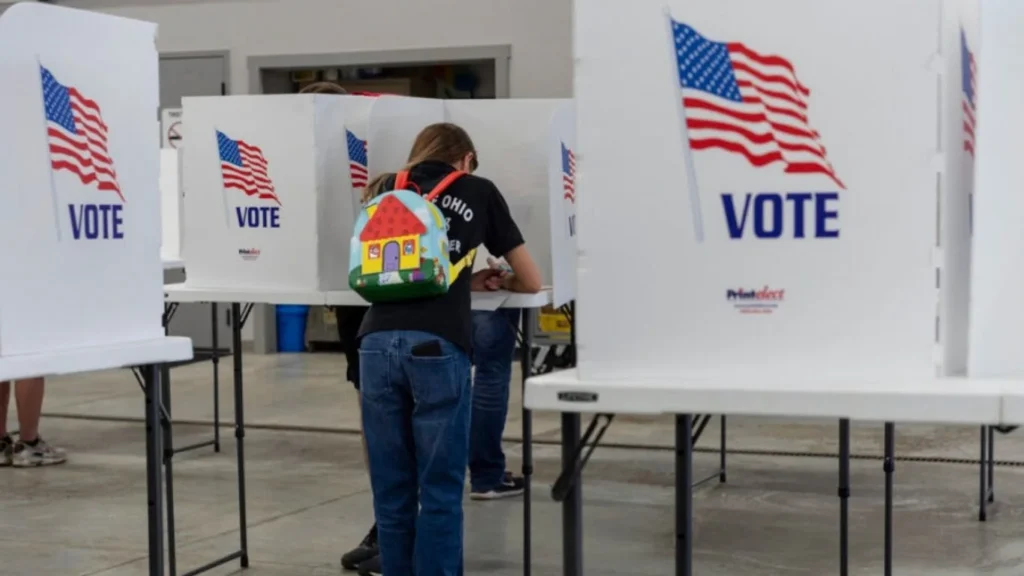
1. Loss of Individual Freedom
The biggest risk of family voting is the loss of personal choice. Democracy is built on individual decision-making. When one person dictates the voting preference of others, it removes their constitutional right to choose freely.
Voting should be personal — not collective under pressure.
2. Violation of Secret Ballot
Secret ballots protect voters from fear, intimidation, and retaliation. voting breaks this protection because the voter’s choice becomes known or influenced.
Election observers such as the Organization for Security and Co-operation in Europe (OSCE) have identified voting as a violation of international election standards.
3. Gender Inequality
In many societies, women are the most affected by family voting. Male members may dominate political decisions, leaving women with little or no voice.
This directly impacts:
- Women’s political empowerment
- Policy representation
- Equal participation in governance
The long-term voting impact includes slower progress toward gender equality.
4. Distorted Election Results
If multiple family members vote based on one person’s opinion, election outcomes may not reflect genuine public sentiment.
When thousands of households follow this pattern, it can:
- Change vote share percentages
- Influence candidate success
- Affect policy direction
This distorts the true will of the people.
5. Increased Risk in Postal Voting
With the rise of mail-in or absentee ballots, family voting risks increase. Voting at home may reduce privacy because family members can observe or pressure others while they fill out ballots.
This became a topic of discussion during expanded mail-in voting processes in the United States.
Without proper safeguards, privacy becomes harder to maintain.
6. Weak Democratic Institutions
When votes are influenced at the household level, it gradually weakens trust in democratic systems.
Democracy depends on:
- Independent voters
- Transparent processes
- Equal participation
voting damages this trust silently.
7. Social Pressure and Emotional Manipulation
Family pressure can be subtle but powerful. Statements like:
- “Vote the way our family always votes.”
- “Don’t embarrass us.”
- “Trust my decision.”
These may not appear aggressive, but they create emotional pressure. Over time, this discourages independent thinking.
8. Youth Voter Suppression
Young voters, especially first-time voters, may feel obligated to follow parental guidance instead of forming their own political opinions.
This limits:
- Political diversity
- Fresh perspectives
- Independent youth engagement
Democracy thrives on new ideas — family voting suppresses them.
9. Legal Consequences
In many countries, influencing or coercing someone’s vote is illegal.
For example, in India, election laws prohibit unauthorized persons from entering voting compartments. The Election Commission of India has strict guidelines to prevent such practices.
Violating these rules can lead to penalties or disqualification.
10. Erosion of Democratic Culture
Perhaps the most serious this voting impact is cultural. When people grow up believing voting is a “family decision,” it weakens democratic values across generations.
Children who observe controlled voting may normalize it in adulthood.
This creates a cycle of:
- Political dependency
- Reduced civic awareness
- Limited democratic maturity
Difference Between Family Discussion and Family Voting
It is important to clarify that discussing politics within a family is not wrong. Healthy debate strengthens democracy.
The problem arises when:
- Discussion becomes direction
- Advice becomes pressure
- Support becomes control
Every voter has the right to listen — but also the right to decide independently.
How to Prevent Family Voting
Addressing family voting requires combined efforts:
1. Strong Polling Booth Enforcement
Authorities must ensure only one voter enters the booth at a time.
2. Voter Awareness Campaigns
Educating citizens about their voting rights empowers them to resist pressure.
3. Women Empowerment Programs
Encouraging independent political participation among women reduces inequality.
4. Youth Political Education
Teaching young voters about civic rights promotes independent thinking.
5. Legal Action Against Coercion
Strict enforcement discourages manipulation and protects voter autonomy.
Why Protecting Your Vote Matters
Your vote is not just a mark on a ballot. It is:
- Your voice
- Your belief
- Your political identity
Family voting may seem like a small domestic matter, but its broader impact affects representation, policy, and national direction.
Protecting ballot secrecy ensures that democracy remains strong, fair, and truly representative.
Conclusion
The family voting impact goes far beyond household discussions. It creates serious risks to individual freedom, gender equality, and democratic integrity. While political conversations within families are natural, voting decisions must remain private and independent.
Democracy works best when every citizen votes freely — without pressure, fear, or control.
In the end, your vote belongs to you alone.
What is family voting?
Family voting is when one family member influences or controls how others vote during an election.
Is family voting illegal?
Yes, in most democratic countries, coercing or influencing someone’s vote violates election laws.
How does family voting affect women?
It often reduces women’s independent political participation and reinforces gender inequality.
Does discussing politics at home count as family voting?
No. Open discussion is normal. It becomes family voting only when pressure or control is involved.
Why is secret ballot important?
Secret ballots protect voters from intimidation and ensure elections remain free and fair.
How can voters protect themselves from pressure?
By understanding their legal rights, voting privately, and reporting coercion to election authorities.


