Mojtaba Khamenei: 7 Key Facts About Iran’s New Supreme Leader
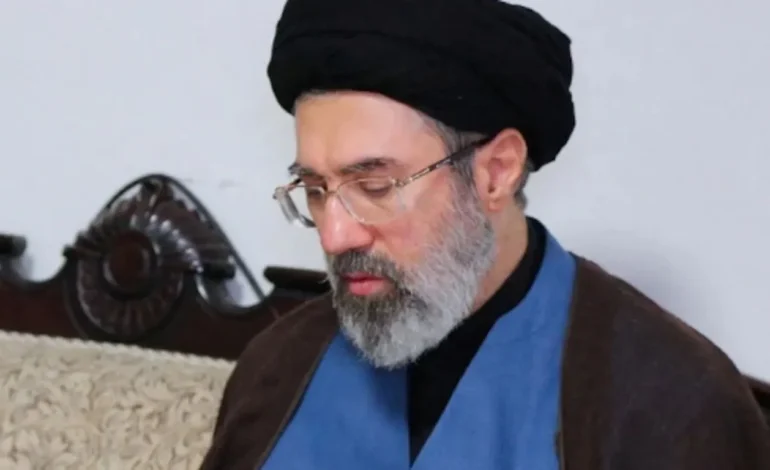

The political landscape of the Middle East changed dramatically in early 2026 when Mojtaba Khamenei was named the new Supreme Leader of Iran. His appointment followed the death of his father, Ali Khamenei, who was reportedly killed during a joint U.S.–Israeli airstrike on February 28, 2026.
The decision to elevate Mojtaba Khamenei to the highest political and religious office in Iran was announced on March 8, 2026, by the powerful clerical body known as the Assembly of Experts.
His rise marks a historic moment in Iranian politics because it is the first time leadership has passed from father to son since the 1979 Islamic Revolution.
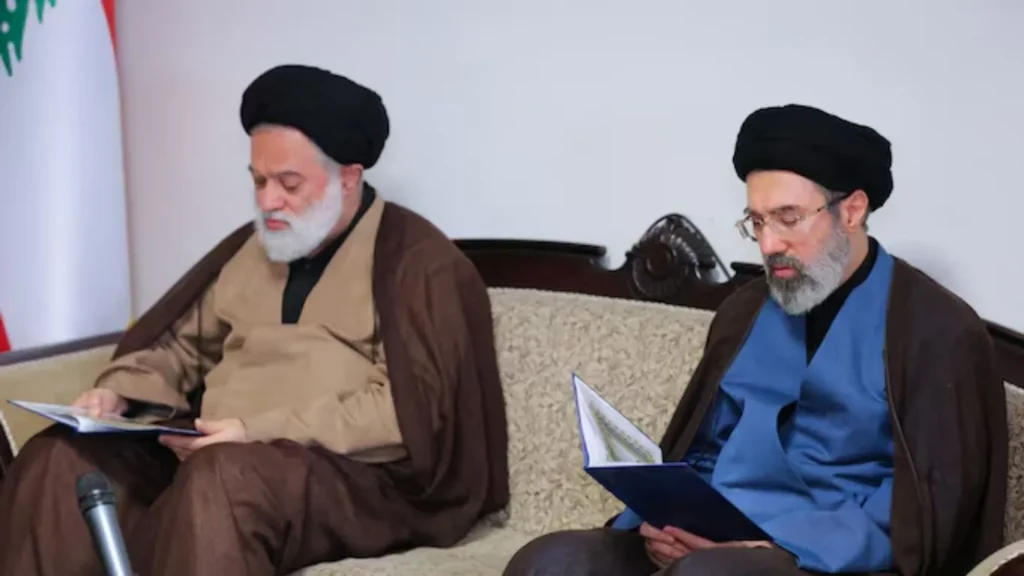
But who exactly is Mojtaba Khamenei, and how did he rise to become one of the most powerful leaders in the Middle East? Here are seven key facts about Iran’s new Supreme Leader.
Table of Contents
1. Mojtaba Khamenei Is the Son of Iran’s Former Supreme Leader
Mojtaba Khamenei was born on September 8, 1969, in the city of Mashhad, one of the most important religious centers in the country.
He is the second son of Ali Khamenei, who ruled Iran for more than three decades. After the death of his father in February 2026, the country faced a major leadership vacuum.
Within days, Iran’s clerical leadership moved to select a successor, ultimately choosing Mojtaba Khamene as the third Supreme Leader of the Islamic Republic.
This transition not only kept the Khamenei family at the center of Iranian power but also sparked global debate about the future direction of Iran.
2. He Was Long Considered a “Shadow Power” in Iran
Although Mojtaba Khamenei held no official government position for many years, he was widely believed to be one of the most influential figures behind the scenes.
Inside the office of the Supreme Leader—often called the Beyt—he reportedly served as a key gatekeeper and adviser to his father.
Many analysts believe he helped coordinate relationships between Iran’s clerical leadership and the powerful military organization known as the Islamic Revolutionary Guard Corps.
This behind-the-scenes influence allowed him to build strong political alliances long before he officially took power.
3. His Education Comes from Iran’s Religious Seminaries
Like many influential clerics in Iran, Mojtaba Khamenei studied Islamic theology in the holy city of Qom, which is considered the center of Shiite religious scholarship.
He studied under prominent clerics and scholars, developing a background in religious law and Islamic philosophy.
Although he does not hold the highest clerical rank in Iran, his religious education was considered sufficient by the Assembly of Experts to lead the Islamic Republic.
This combination of religious training and political influence helped prepare him for the leadership role he eventually assumed.
4. He Fought in the Iran–Iraq War
Another lesser-known fact about Mojtaba Khamenei is his military experience.
During the final years of the Iran–Iraq War, he served with the Habib ibn Mazahir Battalion between 1987 and 1988.
The war played a major role in shaping Iran’s modern political elite. Many of the soldiers and commanders who served during that conflict later became influential leaders in the military and government.
For Mojtaba Khamenei, those wartime connections helped him develop relationships with senior members of the Revolutionary Guard, which later became an important support base for his leadership.
5. He Has Been Linked to Major Political Events in Iran
Over the years, Mojtaba Khamenei’s name has been associated with several major political developments in Iran.
Political analysts often credit him with supporting the rise of conservative president Mahmoud Ahmadinejad in the 2005 and 2009 elections.
He was also reportedly involved in government responses to the protests that followed the controversial 2009 presidential election.
Although Mojtaba rarely appeared in public or spoke directly about politics, his influence inside the country’s leadership circles was widely acknowledged.
6. His Appointment as Supreme Leader Is Historically Controversial
The appointment of Mojtaba Khamenei has generated intense debate both inside and outside Iran.
Iran’s political system was created after the Iranian Revolution, which overthrew the monarchy of the Shah.
Because the revolution rejected hereditary rule, critics argue that the father-to-son transition of power contradicts the original principles of the Islamic Republic.
Some political observers have described the situation as a shift toward dynastic leadership, although Iranian officials insist the decision followed constitutional procedures.
Despite the controversy, Iran’s military leadership and many conservative clerics quickly pledged loyalty to the new Supreme Leader.
7. He Became Leader During One of Iran’s Most Dangerous Crises
Mojtaba Khamenei assumed power during one of the most tense periods in Iran’s modern history.
Following the assassination of his father in February 2026, Iran entered a period of intense conflict with a coalition involving the United States and Israel.
The appointment of a new Supreme Leader was therefore not only a political decision but also a strategic one aimed at stabilizing the country’s leadership during wartime.
Reports suggest the Revolutionary Guard and other powerful institutions quickly backed Mojtaba Khamenei in order to maintain continuity within the government.
His leadership now comes with enormous challenges, including managing military tensions, maintaining internal stability, and navigating global diplomatic pressure.
International Reaction to Mojtaba Khamenei’s Leadership
The international response to Mojtaba Khamenei becoming Iran’s new Supreme Leader has been mixed.
Some regional allies, including groups aligned with Iran in the Middle East, have welcomed his appointment and pledged their support.
However, Western governments have expressed concern. U.S. leaders criticized the selection and warned about potential consequences for regional stability.
Meanwhile, Israel has continued to issue warnings that Iran’s leadership remains a potential military target as tensions in the region remain high.
These reactions show how closely the world is watching Iran’s new leader.
The Future of Iran Under Mojtaba Khamenei
As the new Supreme Leader, Mojtaba Khamenei now holds one of the most powerful positions in the Middle East.
In Iran’s political system, the Supreme Leader controls key institutions such as:
- The armed forces
- The judiciary
- State broadcasting
- Strategic national policy
This means Mojtaba Khamenei will play a crucial role in shaping Iran’s domestic policies and foreign relations for years to come.
Whether he continues the policies of his father or introduces new strategies will likely determine Iran’s future political direction.
Who is Mojtaba Khamenei?
Mojtaba Khamenei is an Iranian cleric and political figure who became the third Supreme Leader of Iran in March 2026, succeeding his father Ali Khamenei.
When did Mojtaba Khamenei become Supreme Leader?
He was officially appointed Supreme Leader on March 8, 2026, by Iran’s Assembly of Experts following the death of his father.
Why is Mojtaba Khamenei’s appointment controversial?
His appointment is controversial because it marks the first father-to-son succession in the Islamic Republic, raising concerns about hereditary leadership.
What was Mojtaba Khamenei’s role before becoming leader?
Before becoming Supreme Leader, he operated largely behind the scenes, influencing political decisions and maintaining close ties with Iran’s Revolutionary Guard.
Where was Mojtaba Khamenei born?
He was born in Mashhad, Iran, on September 8, 1969.