Pam Bondi Hearing: 7 Explosive Moments That Shook Congress
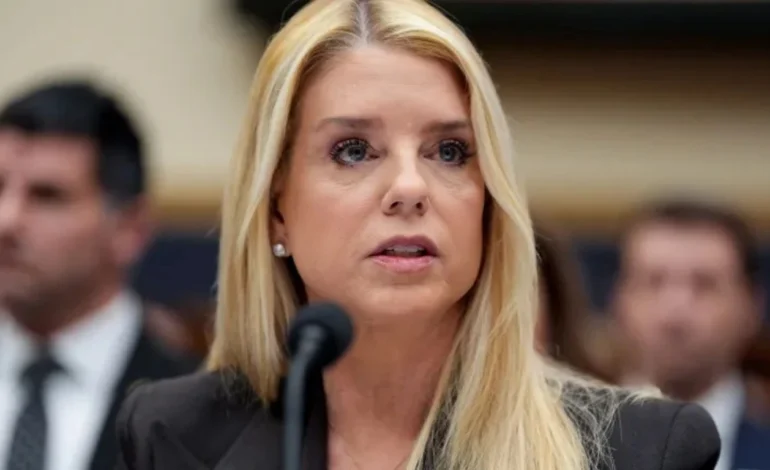

Washington, D.C. — The pam bondi hearing before the House Judiciary Committee turned into one of the most intense congressional confrontations of the year, as US Attorney General Pam Bondi faced fierce questioning over the handling of the Jeffrey Epstein files, victim protections, and broader Justice Department actions.
What began as a routine oversight session quickly escalated into heated exchanges, bipartisan criticism, and emotional moments involving Epstein survivors seated in the room. Here are the seven explosive moments from the pam bondi hearing that captured national attention.
Table of Contents
1. Epstein Survivors Watch as Redactions Are Defended
One of the most powerful moments of the pam bondi hearing came as Epstein victims sat directly behind the attorney general.
In her opening remarks, Bondi called Jeffrey Epstein a “monster” and apologized to survivors for the abuse they endured. However, lawmakers soon accused the Justice Department of failing to properly redact victim identities, as required by law.
Democratic Representative Pramila Jayapal alleged that some released documents included explicit images of survivors, some of whom had remained anonymous for decades.
When Jayapal asked survivors to stand if they had not met with Justice Department officials, all of them rose, creating a moment of silence that shifted the tone of the hearing.
2. Bondi Rejects Calls for an Apology
Jayapal pressed Bondi to apologize for the Justice Department’s handling of the Epstein files. Bondi refused, calling the questioning “theatrics” and stating, “I’m not going to get in the gutter.”
Bondi defended her department, arguing that officials were operating under strict legal deadlines and said that any names released inadvertently were immediately re-redacted once identified.
The exchange quickly became one of the most replayed clips from the pam bondi hearing.
3. Bipartisan Fury Over Redacted Names
Criticism during the pam bondi hearing was not limited to Democrats.
Republican Representative Thomas Massie accused the Justice Department of improperly redacting names of individuals who were not legally protected. He described the issue as “bigger than Watergate” and demanded accountability.
Bondi pushed back sharply, calling the controversy a “political joke”, further inflaming tensions across the committee.
4. Les Wexner Question Sparks Clash
During the redactions debate, lawmakers questioned why billionaire Les Wexner’s name was initially blacked out in some documents.
FBI Director Kash Patel, who was also present, stated there was no evidence that Epstein trafficked women to Wexner. Wexner has previously claimed Epstein stole millions from him while acting as his financial adviser.
A legal representative later reiterated that Wexner was treated as a source of information, not a target, and fully cooperated with investigators.
5. Andrew Mountbatten-Windsor Photos Raised
Another explosive moment in the pam bondi hearing occurred when Democratic Representative Ted Lieu referenced photos of Andrew Mountbatten-Windsor included in the Epstein files.
Lieu questioned why the images had not led to prosecution. Bondi responded by directing blame toward former Attorney General Merrick Garland, saying those decisions were made before her tenure.
Lieu agreed, stating Garland had “dropped the ball.”
Andrew Mountbatten-Windsor has repeatedly denied wrongdoing and reached an out-of-court settlement in 2022 with no admission of liability.
6. Minneapolis Shootings Trigger Heated Exchange
Beyond the Epstein files, the pam bondi hearing also turned heated over fatal shootings involving federal immigration agents in Minneapolis, which sparked nationwide protests.
Democratic Representative Steve Cohen described the incidents as “executions” and criticized the Justice Department for failing to investigate.
Bondi defended federal agents, arguing that tensions were fueled by elected officials who obstructed law enforcement and framed themselves as being “at war” with the federal government.
7. Republicans Rally Behind Bondi
As tensions escalated, Republicans on the committee moved to defend Bondi.
Judiciary Committee Chair Jim Jordan praised her leadership and implementation of President Trump’s immigration policies, framing the hearing as politically motivated rather than a failure of oversight.
The moment underscored the deep partisan divide that defined the pam bondi hearing from start to finish.
Conclusion
The pam bondi hearing exposed sharp political divisions, unresolved questions surrounding the Epstein files, and ongoing concerns about victim protection and transparency. While Pam Bondi stood firm in her defense of the Justice Department, lawmakers from both parties made it clear that scrutiny of the Epstein case — and the government’s handling of it is far from over.
The hearing not only reignited debate over accountability but also highlighted the lasting impact of the Epstein scandal on public trust in the justice system.
What was the pam bondi hearing about?
The pam bondi hearing focused on the Justice Department’s handling of the Jeffrey Epstein files, including redactions, victim privacy, and accountability.
Why did the pam bondi hearing become heated?
Lawmakers accused the Justice Department of improperly redacting names and failing to protect victims, leading to sharp bipartisan exchanges.
Were Epstein victims present at the hearing?
Yes. Several Epstein survivors were seated behind Pam Bondi and were directly referenced during questioning.
Did Republicans criticize Pam Bondi?
Yes. While many Republicans defended her, some also questioned the redaction process and demanded accountability.
Why was Andrew Mountbatten-Windsor mentioned?
A lawmaker questioned why images linked to the Epstein files did not lead to prosecution. Bondi said the decisions predated her tenure.
Were issues beyond Epstein discussed?
Yes. The hearing also covered immigration enforcement and fatal shootings involving federal agents in Minneapolis.